
Insights & Publications
Perspectives on hospital performance, governance, capital projects, and health system strengthening across Africa.

Featured Publication
Understanding Culture as a Critical Lever in Business Transformation for Nigerian Hospitals
A cultural perspective on strengthening hospital systems, leadership execution, and institutional resilience across Africa.

The Procurement Leakage Problem - How Unstructured Buying Costs Nigerian Hospitals 15–25% of Supply Budget
Supply expenditure typically represents 30–45% of total operating cost in Nigerian private hospitals. In institutions without structured procurement frameworks, 15–25% of that spend is lost to leakage — through price inconsistency, duplicate purchasing, expired stock, emergency buying premiums, uncontrolled requisition, and vendor relationship management that prioritises personal relationships over institutional value. For a hospital spending NGN500 million annually on supplies, this represents NGN75–125 million in recoverable margin every year. This paper argues that procurement is not an administrative function — it is a margin recovery strategy. Hospitals that formalise procurement architecture, vendor contracts, and inventory governance recover significant operating margin without reducing clinical quality, increasing headcount, or acquiring new assets.
Governance Credibility in Nigerian Hospitals
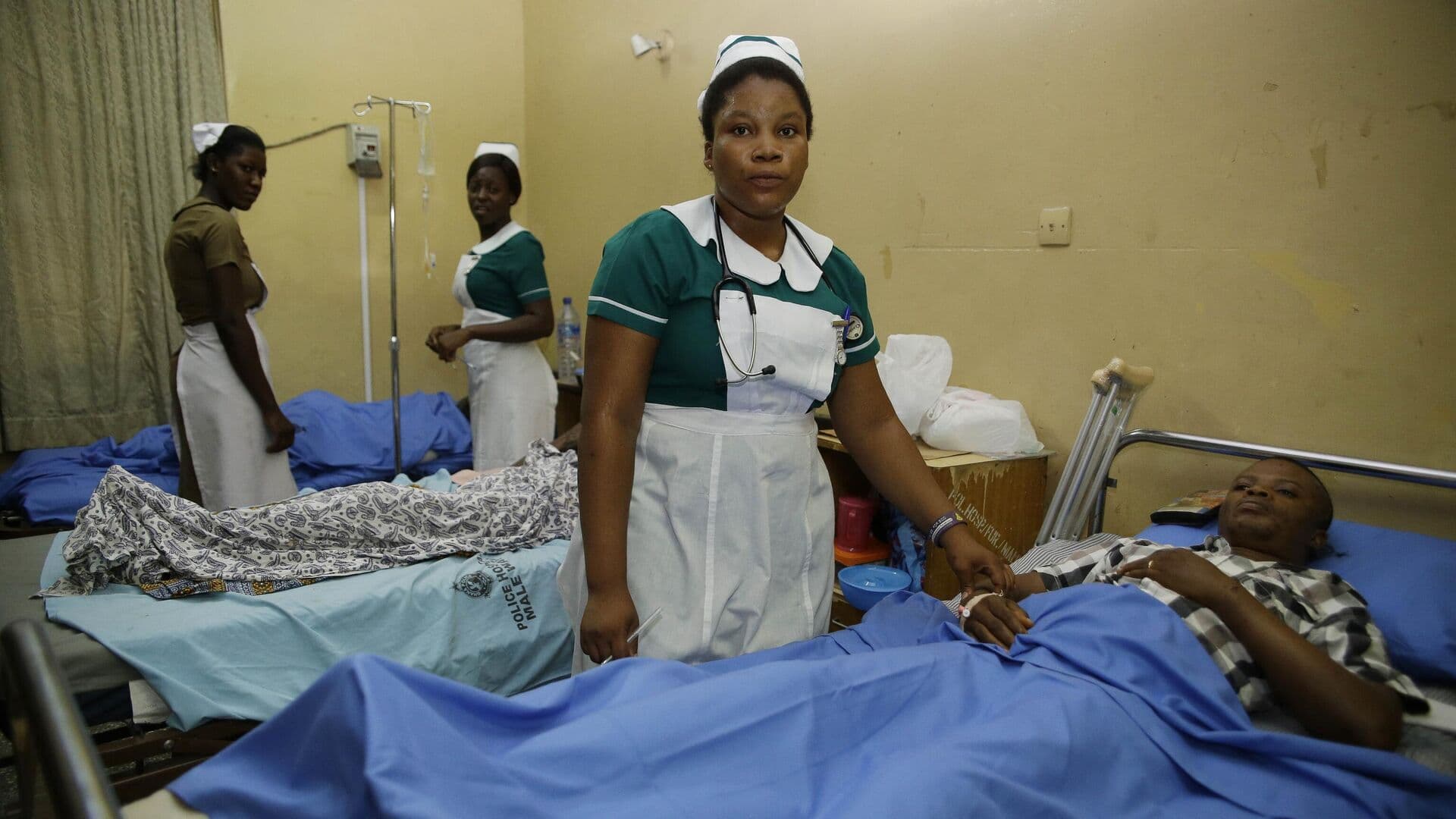
Nigeria's private hospital sector operates in an environment of increasing governance scrutiny. Investors and private equity partners require demonstrable governance frameworks. Accreditation bodies — JCI, COHSASA, SafeCare — assess governance as a direct quality indicator. Patients and families, increasingly informed by digital access to comparative information, make provider choices on the basis of institutional reputation. In this environment, paper compliance is insufficient. Governance credibility — the degree to which an institution's stated governance structures are reflected in the actual behaviour of its leadership, clinical systems, and accountability mechanisms — is the gap that separates institutions that attract investment, talent, and patient volume from those that do not. This gap is cultural before it is structural. This paper provides a diagnostic and transformation framework for closing the gap between documented governance and lived accountability in Nigerian hospital settings.
Leadership Modelling in Hospital Transformation - Why the CEO Is the Culture — and What to Do About It
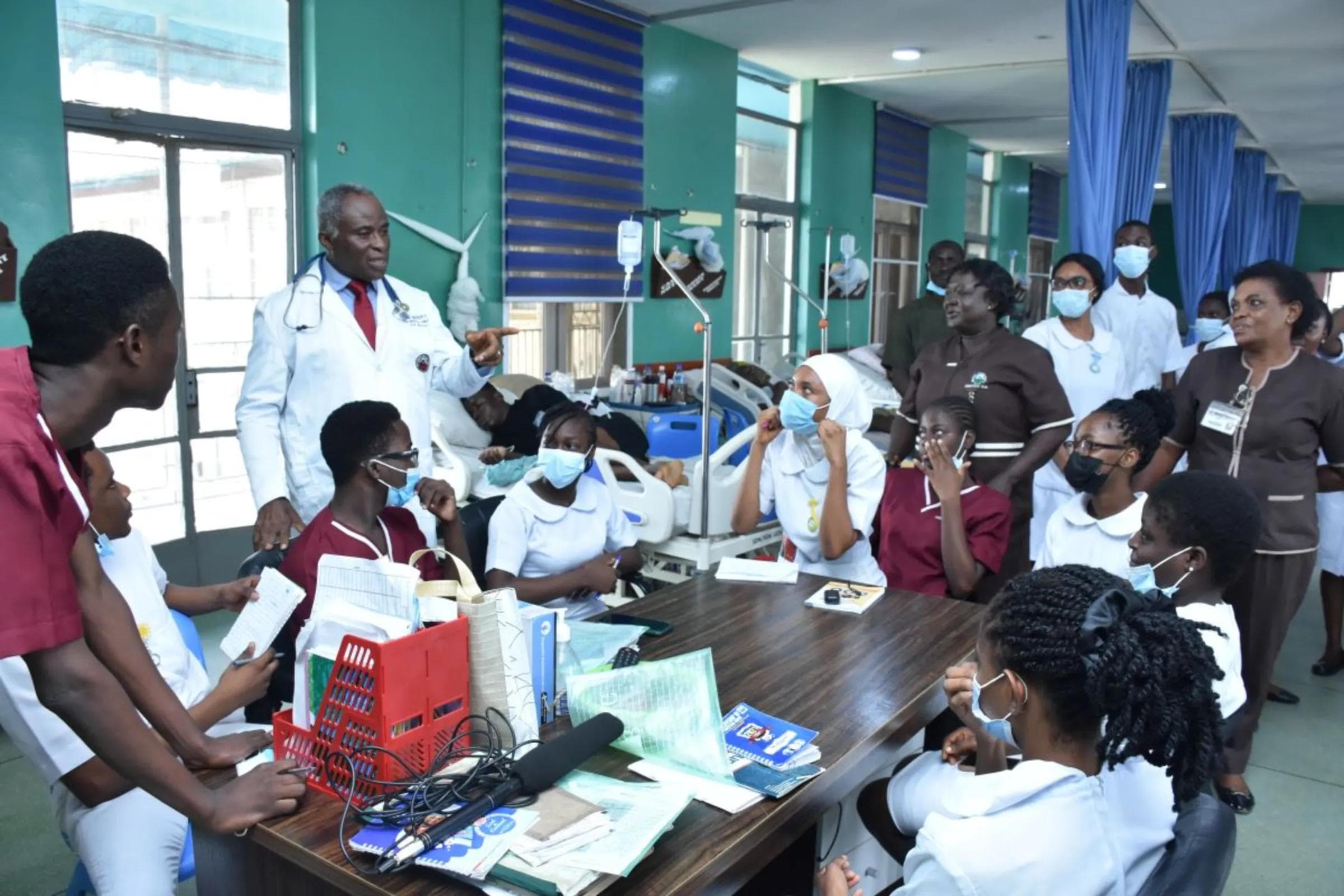
Organisational culture is not what leadership says. It is what leadership does — consistently, in ordinary moments, when no one is watching the leader. In Nigerian hospitals, where power-distance norms amplify the behavioural signal sent by senior figures, the CEO, Medical Director, and senior consultants are the most powerful culture instruments available to any transformation programme. This paper draws on transformational leadership theory, Kotter's change model, and clinical leadership research to articulate a precise framework for leadership modelling in Nigerian hospital transformation — including what to model, how to make it visible, and how to sustain it when the pressure of operational reality pushes toward old defaults.

Measuring What Matters
The most common failure mode in Nigerian hospital culture transformation is not resistance — it is drift. A well-intentioned programme begins with diagnostic energy, a credible change narrative, and senior leadership commitment. Within six months, operational pressures reassert themselves, measurement cadences slip, and the culture quietly reverts to its default state. Leadership declares the intervention a partial success. Staff conclude that nothing fundamentally changes. The antidote to drift is measurement infrastructure. Culture is not an abstraction — it produces measurable behavioural outputs: near-miss reporting rates, psychological safety scores, governance meeting participation, staff attrition patterns, and clinical outcome trends. When these metrics are tracked with the same rigour as EBITDA and bed occupancy, culture transformation becomes a manageable programme rather than a cultural aspiration. This paper provides a complete 90-day diagnostic and measurement framework for Nigerian hospital culture transformation — including baseline instruments, tracking cadences, and governance accountability structures.
Understanding Culture as a Critical Lever in Business Transformation for Nigerian Hospitals
A cultural perspective on strengthening hospital systems, leadership execution, and institutional resilience across Africa.